
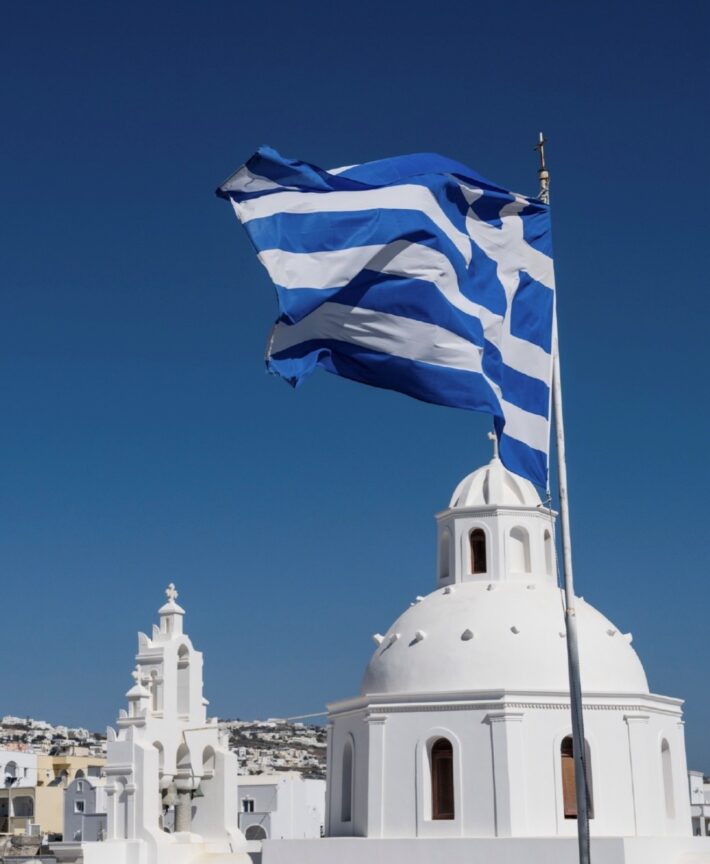
Every year on March 25, Greece celebrates a day that brings together the country’s proud history, religious devotion, and lively cultural spirit. Known as Greek Independence Day, it is both a national and religious holiday observed across all regions of Greece, from the mainland villages to the sunlit islands like Santorini. For visitors, it is a wonderful chance to witness authentic customs and join in the atmosphere of joy that fills the air.
A Dual Celebration of History and Faith
March 25 carries a double significance for the Greek people. It marks the beginning of the Greek War of Independence in 1821, a moment that symbolizes the endurance and courage that shaped the nation. At the same time, it is also the Feast of the Annunciation in the Greek Orthodox tradition, commemorating the message of the Archangel Gabriel to the Virgin Mary. The combination of these two events gives the day a special emotional depth, blending national pride with spiritual reverence.
Customs and Community Spirit
Across Greece, the day begins with the sound of church bells ringing joyfully. Families attend morning services, dressed elegantly, and then gather outdoors for community events. In every village and town, school and military parades take place in the main streets. Children proudly carry Greek flags, while others wear traditional regional costumes featuring intricate embroidery and handmade belts. It is a heartwarming sight that reflects the connection between generations and the respect for Greek heritage.
After the parades, families come together for a festive meal. The traditional dish for this day is fried salted cod served with garlic puree, a recipe that has been passed down for centuries. This custom dates back to times when fresh fish was scarce inland, and salted cod provided a way for everyone to observe the Lenten fast while still enjoying a celebratory meal. The preparation and sharing of this dish symbolize togetherness and continuity of tradition.
In homes across the country, it is common to decorate with small Greek flags or display blue and white flowers representing the national colors. Children recite poems and songs they learned at school, honoring both the heroes of history and the values of faith and freedom. Music and dance often follow the meal, transforming the day into a relaxed celebration of community and belonging.
Experiencing March 25 in Santorini
On Santorini, the celebration unfolds with the charm and elegance that define the island. Visitors may see local parades in Fira or nearby villages, where residents display pride in their culture and warmly welcome guests to join in the festivities. The afternoon atmosphere is vibrant yet serene, with the soft island light reflecting over the caldera and the sounds of churches echoing across the cliffs.
Guests staying at Athina Luxury Suites can enjoy this special day as part of their cultural journey. It is a moment to pause, learn, and feel part of Greece’s living traditions. The celebration offers a deeper understanding of what makes this island and this country so captivating: the union of beauty, history, faith, and joy.
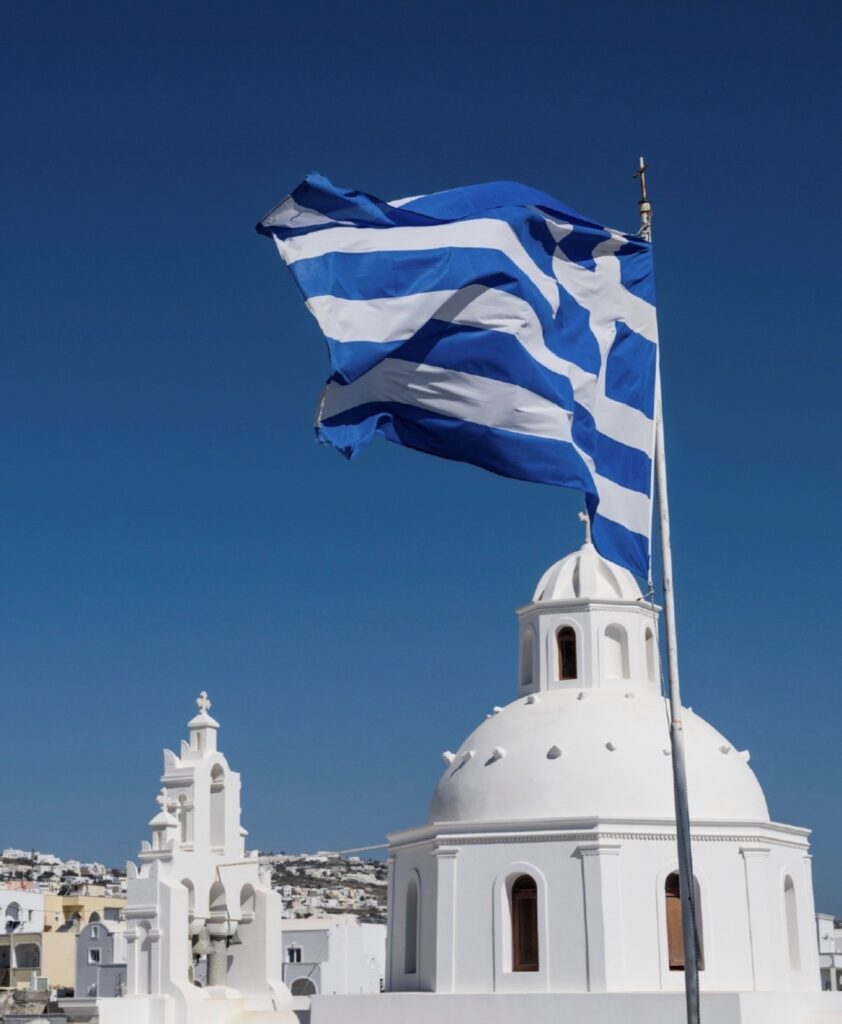
A Celebration Beyond Time
March 25 is more than a date marked on the calendar. It is a celebration of freedom, gratitude, and resilience. For travelers in Greece, it offers the chance to witness how history and daily life blend seamlessly into one shared expression of national pride and heartfelt warmth.
As the sun sets over Santorini and the Aegean glows in the evening light, the essence of this day lingers: a tribute to the harmony between past and present that defines the Greek spirit.

Panagiotis Inglesis is the co-owner and General manager of Athina Luxury Suites, along with his wife Mrs.Artemis Argyrou. Together they had a vision to create one of the best boutique hotels in Santorini and today they continue their vision…Athina Luxury Suites is considered one of the top hotels on the island.